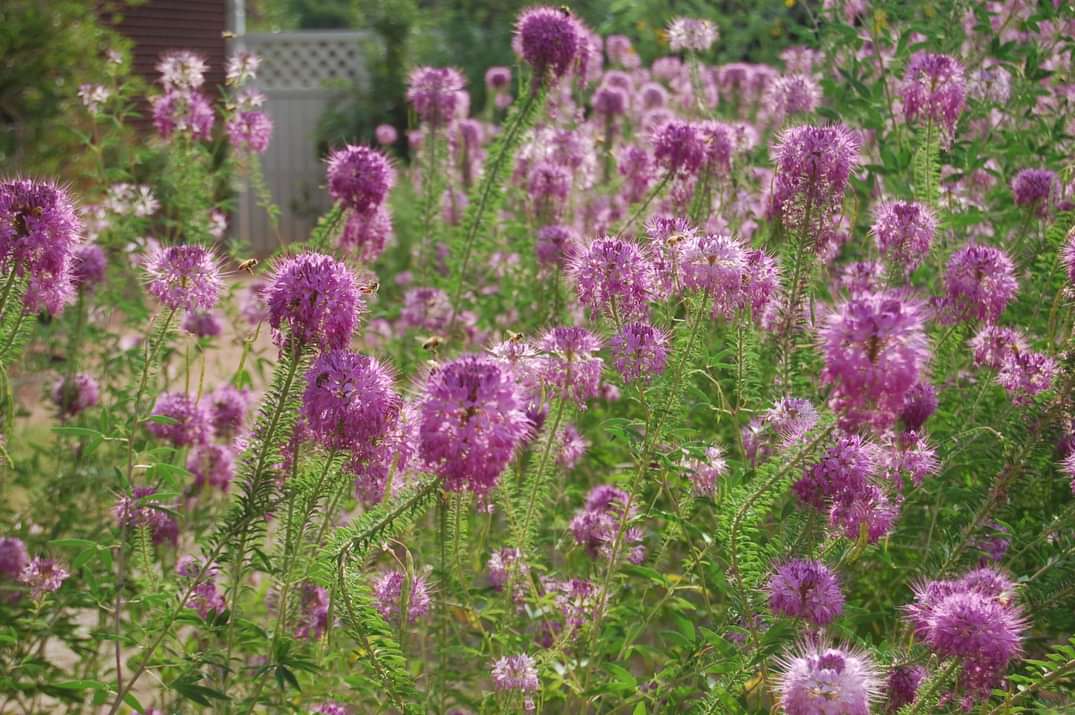
Habitat-Friendly Maintenance
Here are some habitat-friendly maintenance tips to support you in caring for your native landscape. Many traditional gardening practices are unnecessary or harmful in a native garden, and others need to be done differently than you may be accustomed to. However, since we are working with rather than against nature, maintaining a habitat-friendly environment is less work. Some of the information for this resource guide was adapted from the Habitat-Friendly Maintenance Guidelines, whose collaborative authors include Colorado State University Extension (Deryn Davidson), the High Plains Environmental Center (Jim Tolstrup), the Butterfly Pavilion (Amy Yarger), and Josh Orth of Norris Design.
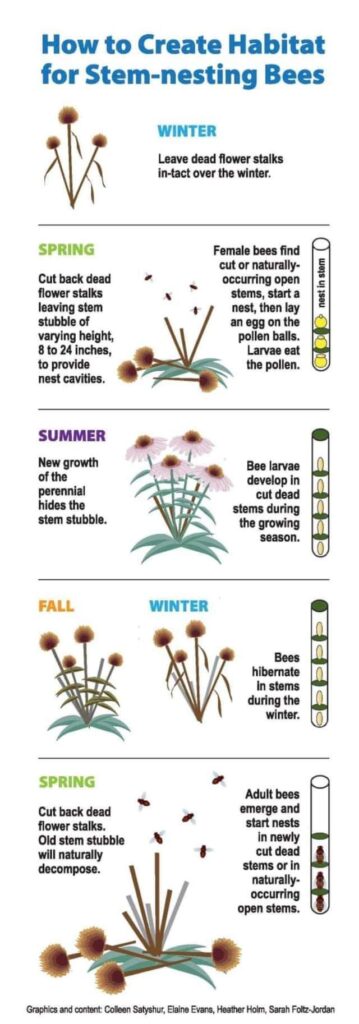
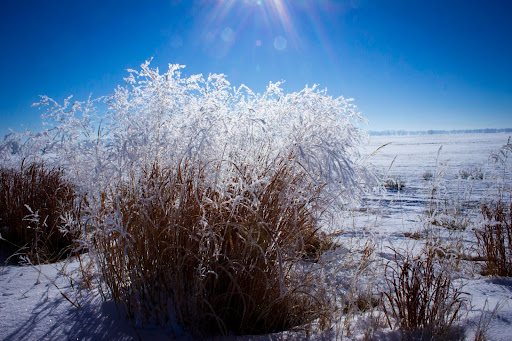
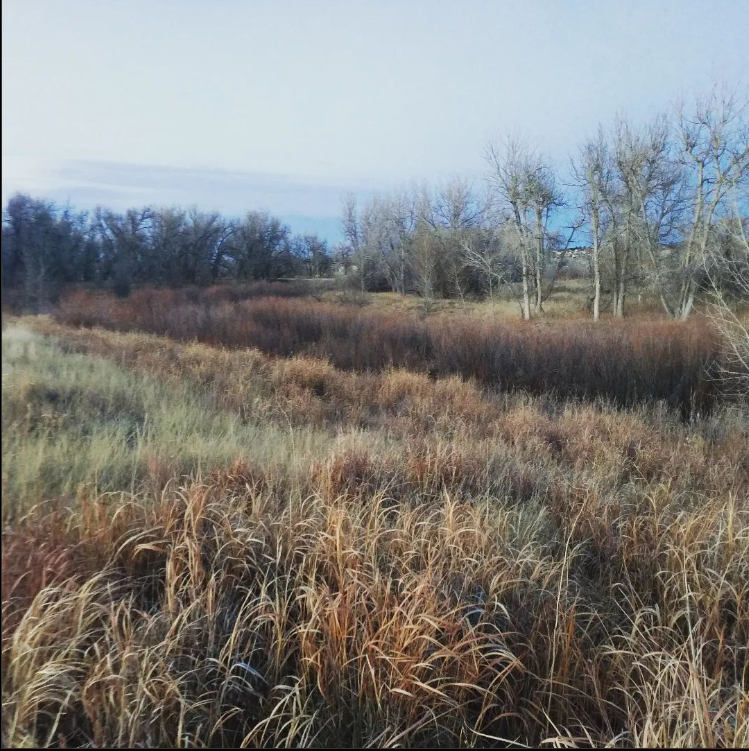
Dead flower stalks and the plumes of grasses should be left over winter to provide food and habitat for local birds and pollinators. You’ll be able to watch birds hunting through your garden for dried seed heads. In the spring, those plants should be cut down to varying heights (1′ to 2′) while still leaving some stalk material (1-1.5′) for overwintering bees who haven’t left the stems yet. The new growth will then come up and hide the old short stems. See the attached photo for illustrations of how to do this. Some plants, like bushes and cool-season ornamental grasses, won’t ever need any trimming.
WEEDING
Weeds will decrease over time as the soil becomes less disturbed and flowers mature. A hoop (or stirrup) hoe is ideal for unwanted weed or flower seedlings in gravel. White vinegar with a partial drop of soap or surfactant is a strong “defoliant” type of organic herbicide for weeds; it shouldn’t be overused or allowed to hit flowers with friendly fire. Routine herbicide use should be avoided if possible, because this garden will be a magnet for pollinators and birds. If you do need to use herbicides (e.g. on grass) or vinegar, remove any flower heads (e.g. dandelions or clover) first, so that bees don’t land on them while the herbicide is setting in.
PRUNING
Trees are best pruned in late winter or early spring, when they’re dormant. For more information about pruning, check out the Forest Service’s guide or PlantTalk Colorado’s resources. Avoid pruning shrubs during the nesting season (March 15-June 15) or when shrubs are bearing fruit, to preserve habitat and foraging for birds.
DEALING WITH FALL LEAVES
One of the best things you can do for butterflies and moths is to safeguard their winter cocoons nesting in the leaf litter under trees. If you have to move the leaves under your tree, gently scoop them up and transport them somewhere else (like into your garden, where the leaves will break down slowly and provide natural mulch). If you mow or throw away the leaves, you’ll likely be throwing away pollinator bodies too. Their cocoons are designed to blend into the leaf litter.
WATERING:
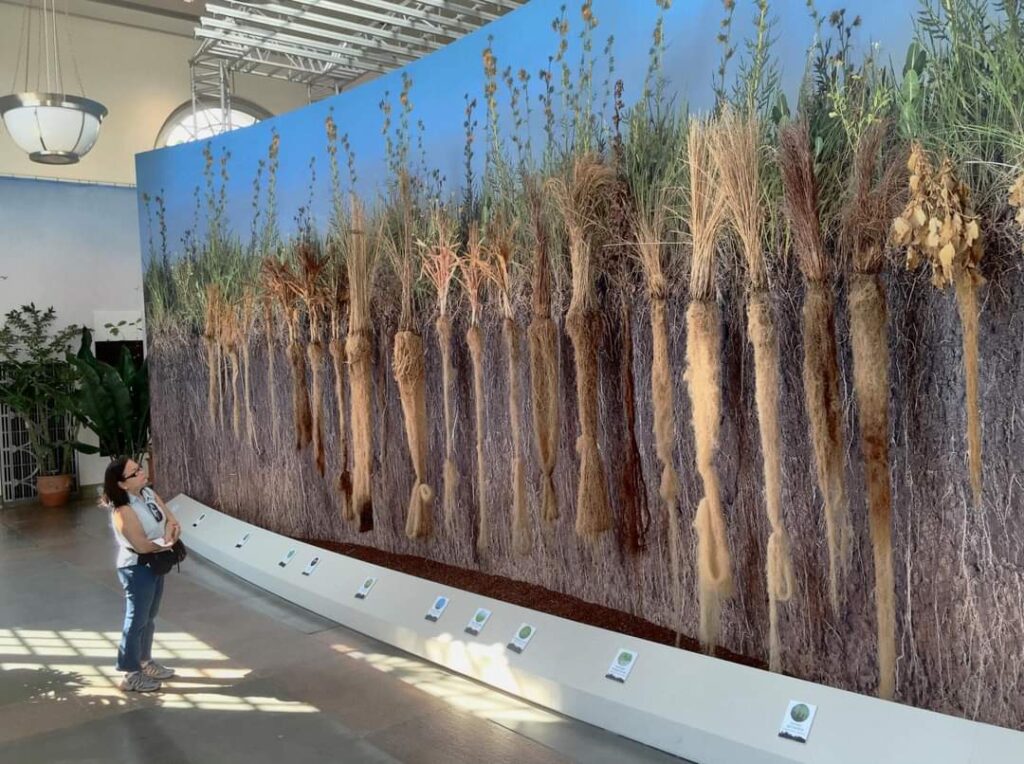
Native plants prefer deep infrequent waterings; once a week at the maximum, once a summer at the minimum, counting rainfall as a watering. Those deep waterings help them grow deep taproots; our native old-growth prairie plants can have roots over 13 feet deep! You can find our recommended watering schedule here.
Most native plants in our ecoregion spend the first year of their lives focusing on underground root growth, since they know drought could strike at any time. The famous phrase is “first year they sleep, second year they creep, third year they leap!” The second year they will be showier, and the third year they’ll really come into full bloom. So if your plants are growing slowly, that doesn’t mean you are doing anything wrong.
BUFFALO GRASS, DOG TUFF, OR BLUE GRAMA LAWNS
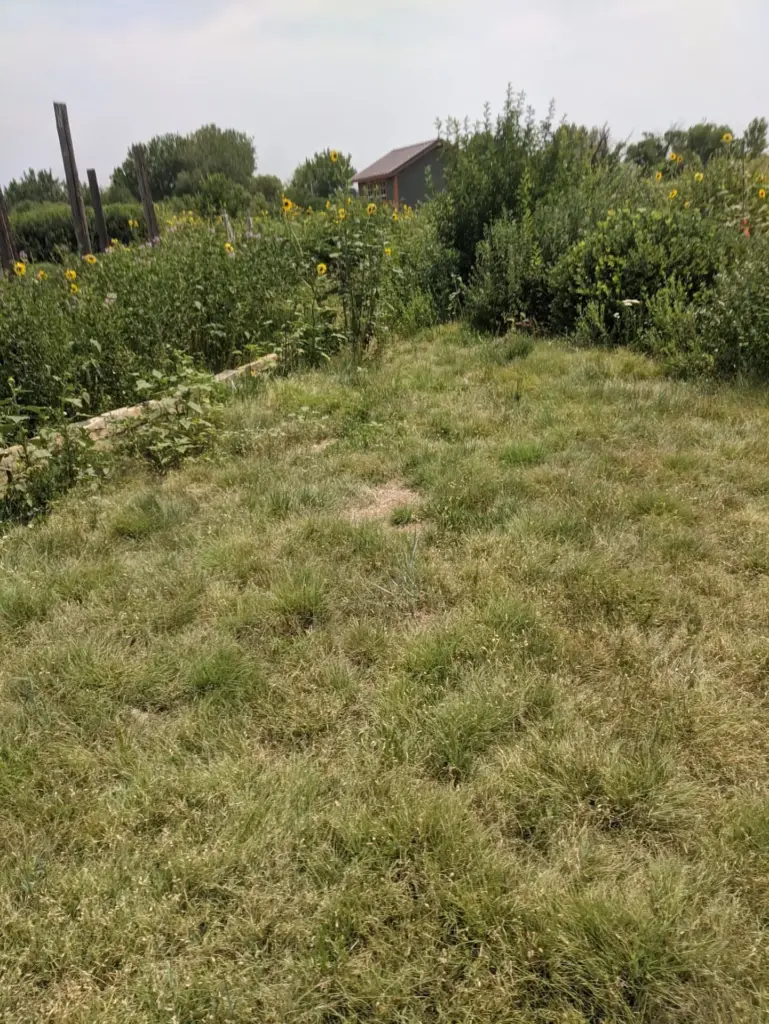
Drought-resistant lawns should be mown only once a year for cleanliness – in late spring, just as it begins to green up. Mowing more often is okay, but the more you mow and the lower you mow, the less drought-tolerant your lawn will be. Mowing every year is not Remember that the more you water, the more weeds you’re likely to have. Buffalo grass needs a lot of water to establish quickly, but in the long term it doesn’t need any at all. However, watering it during dry periods will keep it greenest.
Warm-season grass lawns need defense from winter-growing weeds like dandelions; corn gluten can be used as an organic pre-emergent. In the event that corn gluten is not enough, a stronger selective herbicide (quinclorac or mesotrione) or aggressive hand-weeding can be used. If necessary, glyphosate can be applied when the grass is totally dormant/brown. During the first three years as it’s filling out and rooting in, the grass will be the most vulnerable to weeds; after that, a yearly application of well-timed corn gluten, or a biyearly hand-weeding, should be enough.
PESTS, POLLINATORS, AND BIRDS
The native biodiversity of the garden will encourage a balance of insect life. For the most part, pests can be left alone, and the garden can be trusted to stay in balance. If it becomes necessary to intervene, less aggressive/harmful options (e.g. soap, pepper, garlic, neem oil) should be considered first before pesticides, since this garden is designed to shelter beneficial insect communities. Pests like mosquitoes can be kept in balance by enticing birds and beneficial insects into your yard via…you got it…native plants! Layered plantings will provide structural complexity for pollinators to roost and escape predators, weather, etc. If you’d like to improve the habitat features of your yard and attract more birds, beneficial insects, or other wildlife, check out our wildscaping tips .
WATER FOR POLLINATORS AND BIRDS
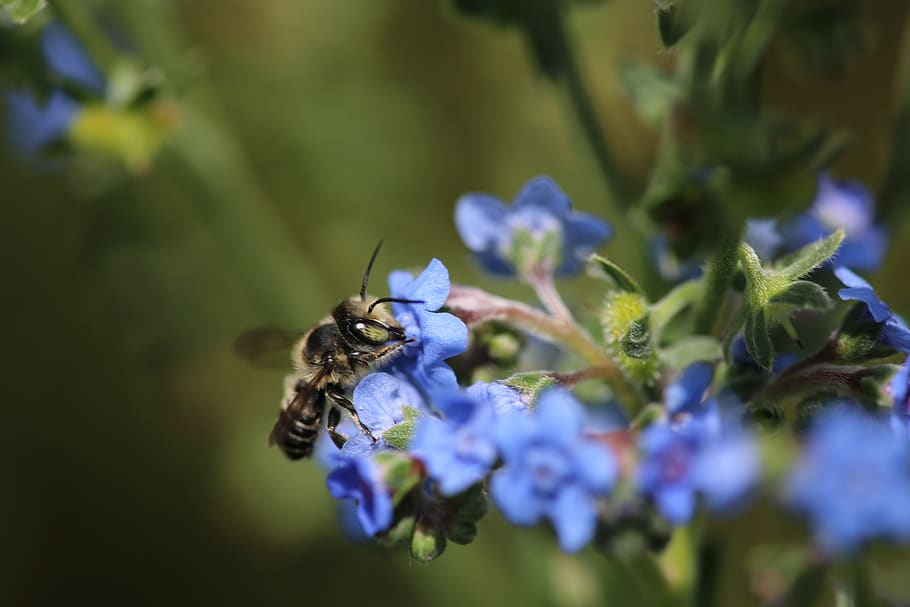
Most pollinators get water from nectar or other plant fluids. However, clean sources of water can help honeybee hives stay cool. “Mud puddles” provide important minerals for male butterflies to produce sperm; a manmade version is a shallow dish filled half with compost and half with sand and kept moist. Consider providing a water source for birds, like a “bird bubbler” or birdbath. If you put an agitator or pump in it (something that makes the water bubble), migrating birds will be able to hear it and come visit it too. If you supplement it with a heater, birds can drink during the winter when unfrozen clean water is in short supply.
BREEZE OR CHIP ROCK PATHS
May need to be raked occasionally to remove weeds, redressed with a little bit of new material, and/or periodically recompacted with a lawn roller.
CREVICE GARDEN MAINTENANCE
For crevice garden maintenance, consider the expertly familiar advice of crevice gardener and landscaper Kenton Seth.
YEAR THREE AND BEYOND
Weeding becomes less necessary as grasses, sedges, and flowers fill in. Traditionally seasonal burning and grazing would keep the prairies healthy and keep grasses from overdominating. In cities we can replicate this by mowing, weed wacking, or renting goats (we know people!). Once a year in spring, mowing or trimming is needed. Benjamin Vogt advises in Prairie Up: An Introduction to Natural Garden Design, “for less grass-dominated designs, use a hedge trimmer or weed whacker and cut everything down to about 12”, leaving the detritus in place.” If you have a garden with gravel mulch, weed wacking (or heavy pruning) is recommended. A few high mowings using a weed trimmer may be needed for entirely seeded gardens. For densely planted gardens without gravel, you can mow the space at 4-6.” An occasional deep watering may be needed during a prolonged drought. Additional seeding of grass in early summer and flowers in fall may be needed to replace plants.
SEASONAL CHANGES
Winter
In winter, insects may be hibernating in the stems of plants, under leaf litter, or in the ground around our garden. Winter can be a difficult time for birds, and they can often be seen picking through leaves, seeking insects on a warm winter day, picking the last few seeds from dried flower heads, and nibbling persistent fruits softened by the frost.
Spring
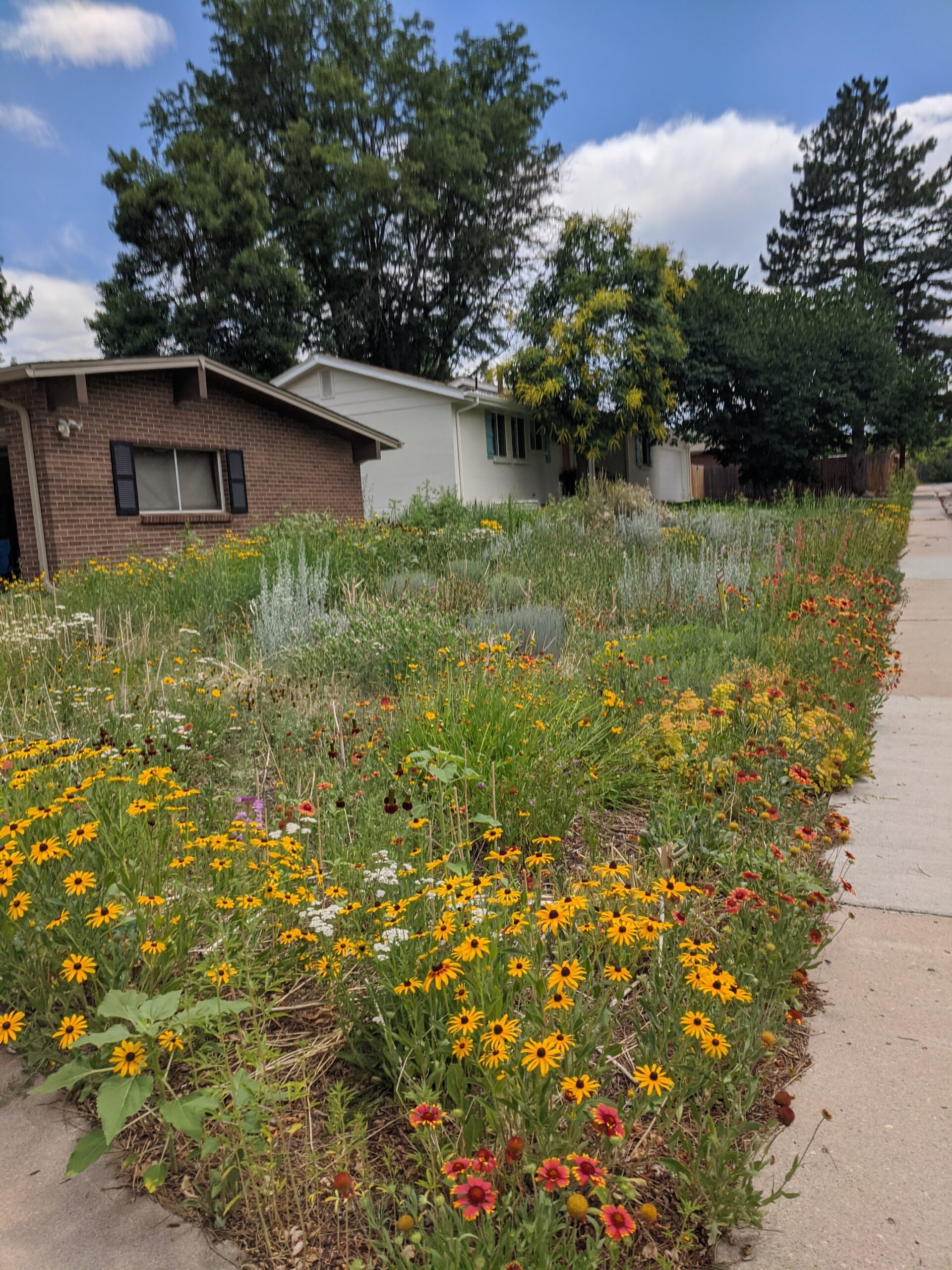
In late spring, old growth on grasses and perennial flowers can be cut down to 1-1.5’. This is the biggest seasonal chore in the habitat friendly garden. Fertilization is usually not needed, but spring is the most important season for weeding. Later in the year, the plants will crowd out weeds.
Summer
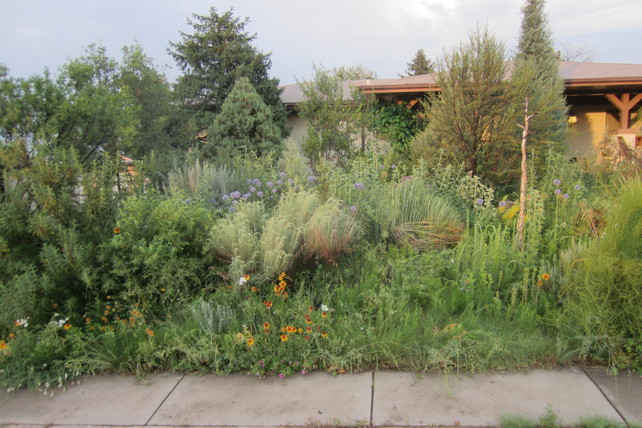
Insects like aphids are generally not an ongoing problem in a balanced community of native plants. If they are overwhelming, you can wash them off with a hose. Dead-heading can help some plants rebloom, but when done excessively can prevent plants from regenerating and filling in bare space, as well as reducing seeds for foraging birds.
Autumn
This is a time for appreciating the natural color and textures of prairie landscapes! No maintenance is needed now. Like spring, autumn is a good time for adding new plants to your landscape, because the weather is mild.